
The Architect’s Role in RERA Compliance: Beyond Just Designing Buildings
With the introduction of Real Estate Regulatory Authority (RERA), the architectural profession in India has become more deeply connected to accountability, transparency, documentation, and project coordination than ever before.
Today, architects are not only expected to design buildings, but also contribute to the legal and procedural framework that keeps projects compliant, transparent, and trustworthy.
For architects working on residential projects, whether large apartment developments, plotted housing, builder floors, or gated communities, understanding RERA is no longer optional. It directly affects how projects are designed, documented, approved, and executed.
For architects, this translates into something very real:
Drawings are no longer just design tools, they are legal documents.
Once a project is registered under RERA:
- Plans submitted are binding
- Commitments made to buyers must be honoured exactly
- Deviations can lead to penalties, delays, and disputes
This shifts your role from designer to accountable professional.
The Growing Importance of Accurate Documentation
One of the biggest shifts brought by RERA is the importance of precise and coordinated documentation.
Architects today are expected to maintain clarity between:
- Concept drawings
- Approval drawings
- Construction drawings
- Marketing layouts
- Area statements
- Revision records
In residential practice, even small discrepancies can create major issues later. A balcony size shown differently in marketing brochures, a shifted wall during construction, or changes in common amenities can lead to conflicts between developers and buyers.
As a result, architects are increasingly becoming coordinators of consistency.
Even small changes (balcony size, unit layout, common areas) may require:
- Client approvals
- Authority approvals
- Updated RERA filings
For young architects entering practice, this is an important reality check- professional architecture is as much about documentation discipline as it is about creativity
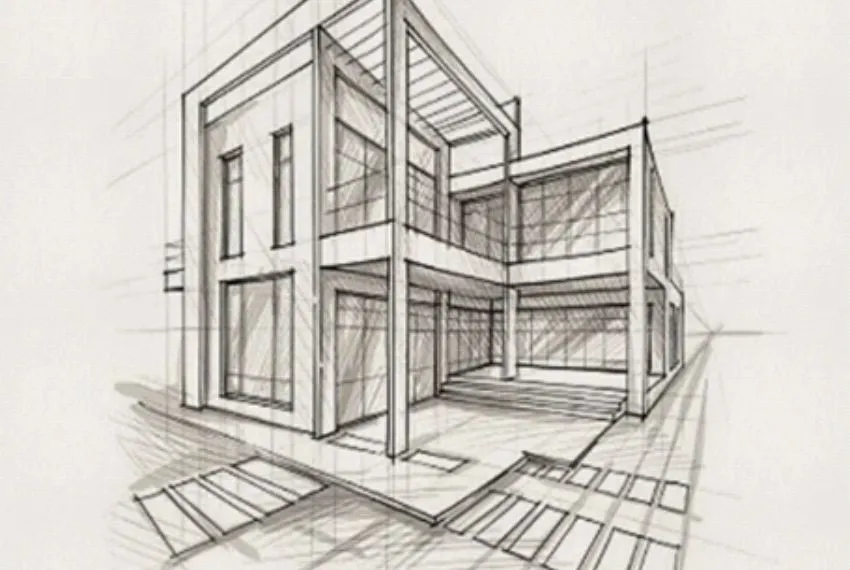
Carpet Area is Not Just a Calculation: It’s a Commitment & “Minor Changes” Are Not Minor Anymore
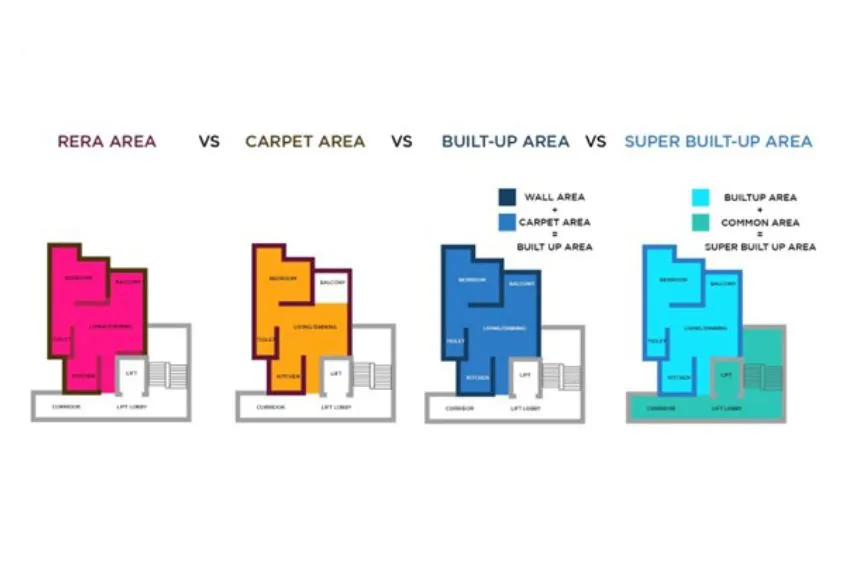
One of the biggest shifts RERA introduced is standardizing how area is defined and sold.
Under RERA:
Carpet area = actual usable space within walls
This is what buyers pay for
This is what must be delivered
As an architect, unit planning directly impacts sale value, trust, and compliance.
Poor coordination here doesn’t just affect design- it affects business.
In theory, one is encouraged to keep refining. On site, under RERA:
- Even small layout changes can require buyer consent
- Revisions may need re-approval and documentation
Frequent changes can delay the entire project
Understanding Architect’s role & their common mistakes
Technically, RERA places primary responsibility on the developer/promoter. But architects are the one, who:
- Prepare the submitted drawings
- Coordinate changes
- Influence compliance
Which means, architect may not be directly liable in every case, but their work is still part of the system.
Architect is often soo busy with their creative side of the job, that they forget to consider these other important aspect as well, like:
- Ignoring regulations because they seem “legal”
- Treating drawings casually in early stages
- Not understanding area calculations properly
- Over-designing without considering approvals
Assuming changes can always be made later
Beyond Buildings: The Evolving Role of Architects
RERA has quietly reshaped the architectural profession in India.
Architects today are no longer viewed only as designers of spaces. They are increasingly seen as contributors to project transparency, documentation accuracy, coordination systems, and development accountability.
As residential projects become more regulated and professionally managed, the architect’s role continues to evolve beyond aesthetics alone.
The future of architectural practice will not belong only to those who design well – but also to those who understand how to navigate regulations, coordinate complex project systems, and translate design into accountable built reality.
In the RERA era, architecture is not just about creating buildings anymore. It is about creating trust within the process of building them.