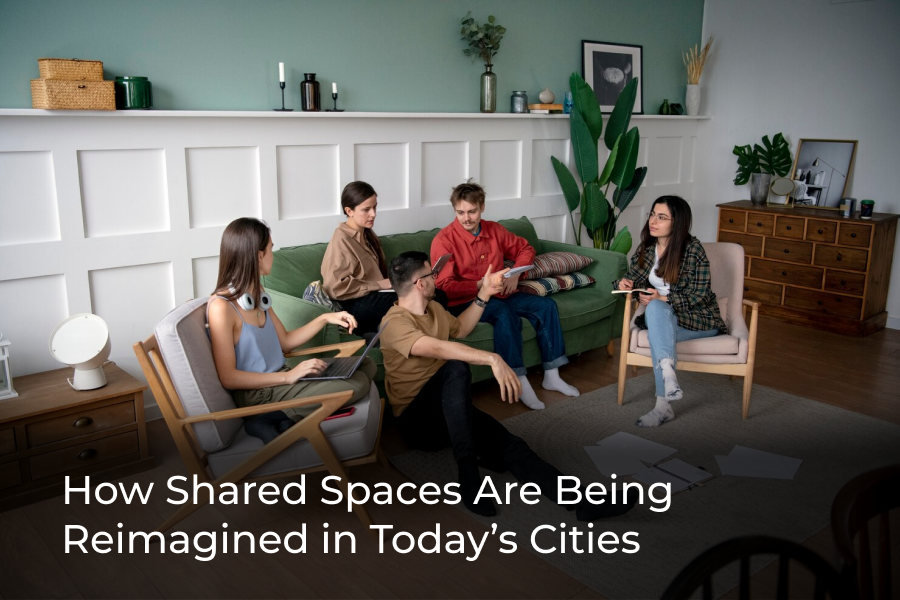
How Shared Spaces Are Being Reimagined in Today’s Cities
Plazas, courtyards, and commons have always formed the social heart of human settlements. From ancient Greek agoras and temple courtyards to village chowks and colonial town squares, these spaces were never treated as leftover or residual areas. They were deliberately designed places of gathering, where social, cultural, economic, and political life unfolded naturally.
These shared spaces hosted markets and festivals, protests and processions, chance encounters and everyday conversations. They shaped collective identity and community life, acting as the glue that held cities together.
Yet in many modern cities, these once-vital spaces have slowly lost their meaning.
These shared spaces hosted markets and festivals, protests and processions, chance encounters and everyday conversations. They shaped collective identity and community life, acting as the glue that held cities together.
Yet in many modern cities, these once-vital spaces have slowly lost their meaning.
From Living Spaces to Leftover Zones
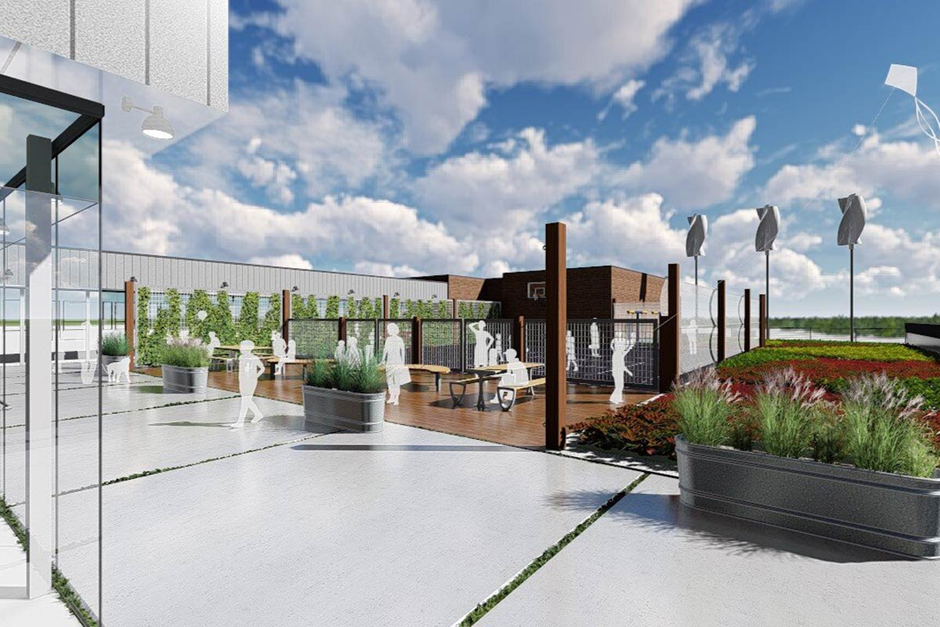
With rapid urbanization and the dominance of vehicle-oriented planning, shared spaces in contemporary cities have often been reduced to circulation zones, ornamental lawns, or underused voids. Instead of being designed for people, they are frequently shaped by zoning regulations, security concerns, and visual order.
Courtyards turned into buffer zones or parking spillovers. Commons were replaced by gated landscapes, limiting access and discouraging spontaneity. As a result, many public spaces today feel disconnected from everyday life, lacking comfort, shade, seating, and a sense of belonging.
Courtyards turned into buffer zones or parking spillovers. Commons were replaced by gated landscapes, limiting access and discouraging spontaneity. As a result, many public spaces today feel disconnected from everyday life, lacking comfort, shade, seating, and a sense of belonging.
Why Shared Spaces Matter More Than Ever
Today, cities are facing multiple overlapping challenges, climate stress, social fragmentation, shrinking living spaces, and rising mental fatigue. In this context, public and semi-public spaces are once again being recognized as critical urban infrastructure and not optional amenities.
As homes get smaller and cities densify, shared spaces serve as extensions of private life. They offer places to breathe, interact, pause, and connect, functions that are increasingly difficult to accommodate within individual dwellings.
For the next generation of architects and landscape designers, understanding this renewed importance is of great importance.
As homes get smaller and cities densify, shared spaces serve as extensions of private life. They offer places to breathe, interact, pause, and connect, functions that are increasingly difficult to accommodate within individual dwellings.
For the next generation of architects and landscape designers, understanding this renewed importance is of great importance.
Learning from History: What Made Shared Spaces Work
Historically, the success of plazas and commons did not come from elaborate design or expensive materials. It came from three key qualities:
- Accessibility – open and easy to reach from surrounding neighbourhoods
- Human-scaled proportions – comfortable sizes that encouraged interaction
- Adaptability – spaces that could host different activities at different times
Markets in the morning, social gatherings in the evening, festivals during celebrations, and quiet moments in between, these spaces were flexible by nature. Their design allowed life to shape them, rather than the other way around.
Shared Spaces as Social Infrastructure
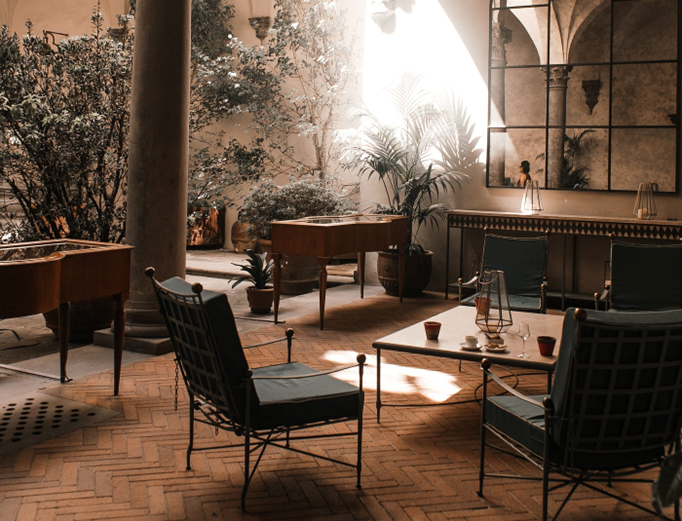
Today’s commons are not only physical spaces; they are social agreements. They are places where people of different ages, backgrounds, and routines coexist, negotiate boundaries, and build a shared sense of belonging.
A well-designed shared space encourages:
A well-designed shared space encourages:
- Casual encounters and community bonding
- Intergenerational interaction
- Informal recreation and rest
- A sense of safety through active use
In this sense, plazas, courtyards, and commons play a vital role in strengthening urban resilience, socially, environmentally, and psychologically.
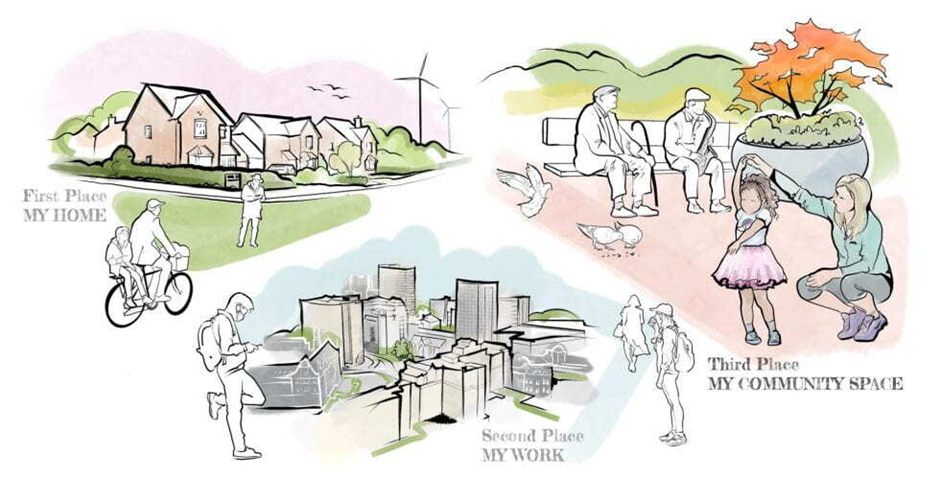
Perhaps the most important evolution in contemporary design is the recognition of in-between spaces. These are neither fully public nor fully private, but transitional zones where everyday life unfolds.
Campus courtyards, housing cluster greens, workplace plazas, neighbourhood commons, and shared building forecourts all operate at a human scale. These spaces often have a greater impact on daily life than large city-level plazas because they are:
Campus courtyards, housing cluster greens, workplace plazas, neighbourhood commons, and shared building forecourts all operate at a human scale. These spaces often have a greater impact on daily life than large city-level plazas because they are:
- Closer to home and work
- More familiar and less intimidating
- Easier to appropriate and personalize
Designing these thresholds thoughtfully can significantly enhance the quality of urban life
Reclaiming the Collective Heart of Cities
For young architects and landscape designers, designing shared spaces requires user sensitivity. The goal is not to create iconic forms, but environments that feel welcoming, comfortable, and adaptable.
As cities continue to grow denser and more complex, the role of shared spaces becomes increasingly vital. Plazas, courtyards, and commons are not luxuries, they are essential to urban health and social resilience.
Reimagining these spaces is about reclaiming the collective heart of our cities. And for the next generation of designers, the responsibility lies not in designing more spaces, but in designing spaces that truly bring people together.
As cities continue to grow denser and more complex, the role of shared spaces becomes increasingly vital. Plazas, courtyards, and commons are not luxuries, they are essential to urban health and social resilience.
Reimagining these spaces is about reclaiming the collective heart of our cities. And for the next generation of designers, the responsibility lies not in designing more spaces, but in designing spaces that truly bring people together.