
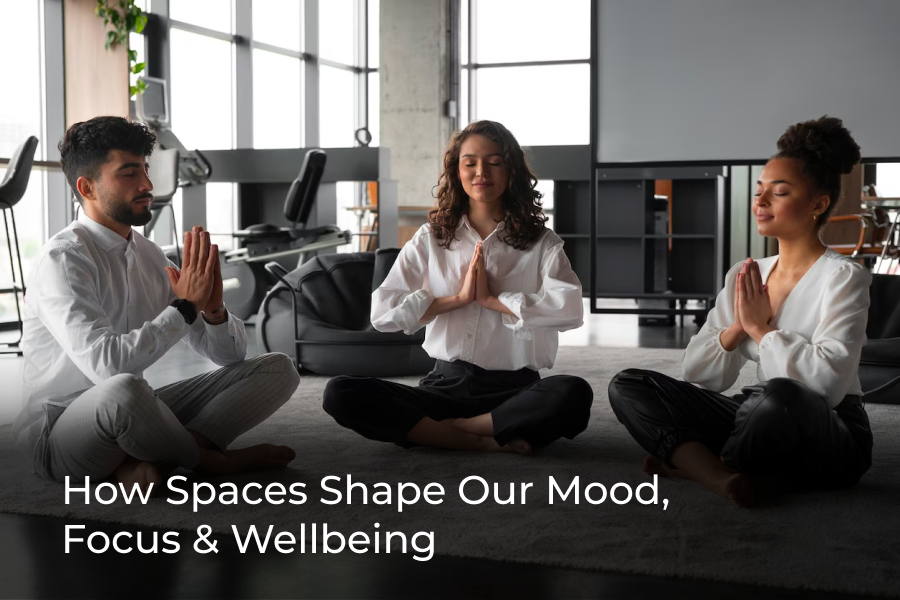
How Spaces Shape Our Mood, Focus & Wellbeing
We often underestimate the power of the spaces we inhabit every day. A room may look stunning on social media, perfectly styled, well-lit, and aesthetically pleasing, yet feel oddly draining in real life. Another space might be visually simple, even understated, but make us feel calm, focused, and at ease the moment we enter it.
This contrast is not accidental. Interiors silently influence our emotions, behaviour, and mental wellbeing, often without us even realizing it.
For a generation that spends most of its time indoors, whether it is for studying, working, scrolling, resting, and recovering, the psychology of interior design has never been more relevant.
This contrast is not accidental. Interiors silently influence our emotions, behaviour, and mental wellbeing, often without us even realizing it.
For a generation that spends most of its time indoors, whether it is for studying, working, scrolling, resting, and recovering, the psychology of interior design has never been more relevant.
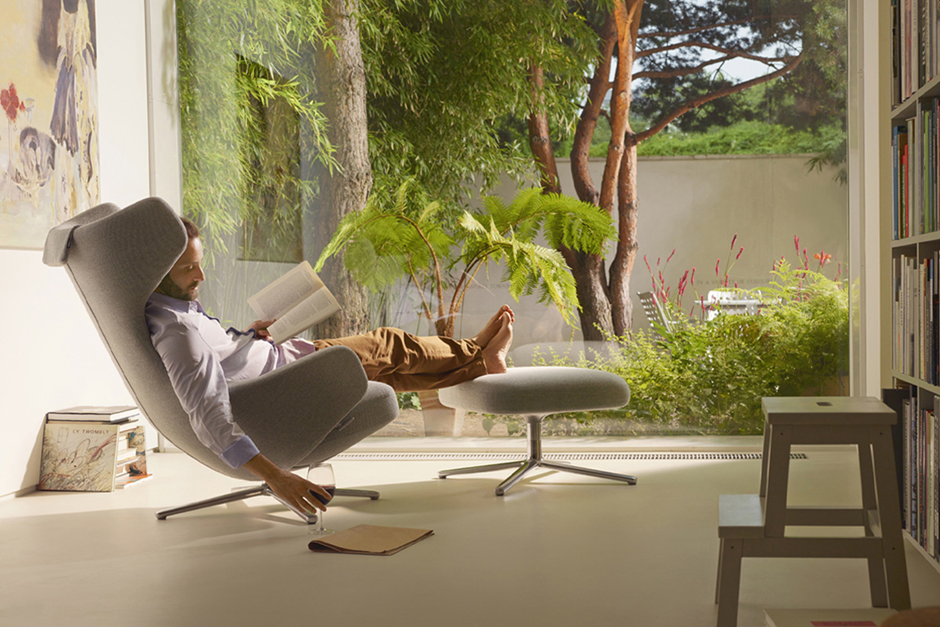
Our homes, classrooms, offices, cafés, and even temporary spaces shape how we think, feel, and perform on a daily basis.
Every Space Communicates
Every space sends signals to the human brain, we may not realise but from the height of the ceiling, the quality and direction of light, the textures we touch, the colours we see, and the way furniture is arranged all communicate something – safety, stimulation, calm, or stress.
Research in environmental psychology reveals that interiors have the power to:
Research in environmental psychology reveals that interiors have the power to:
- Reduce or increase stress levels
- Improve focus, productivity, and creativity
- Encourage social interaction or reinforce isolation
- Influence sleep quality, emotional balance, and overall mental health
For young architects and designers, understanding this, marks a crucial shift, from simply decorating spaces to designing experiences. Design is no longer about how a space looks in isolation, but about how it makes people feel over time.
For example: Light plays a crucial role. Spaces with ample natural daylight are linked to improved mood and lower stress levels. This is why homes, cafés, and workplaces today prioritize:
For example: Light plays a crucial role. Spaces with ample natural daylight are linked to improved mood and lower stress levels. This is why homes, cafés, and workplaces today prioritize:
- larger windows and openings
- skylights and light wells
- and, lighter color palettes that reflect daylight deeper into interiors
Recent office interiors have also moved away from harsh artificial lighting toward warm, diffused systems that mimic natural light cycles.
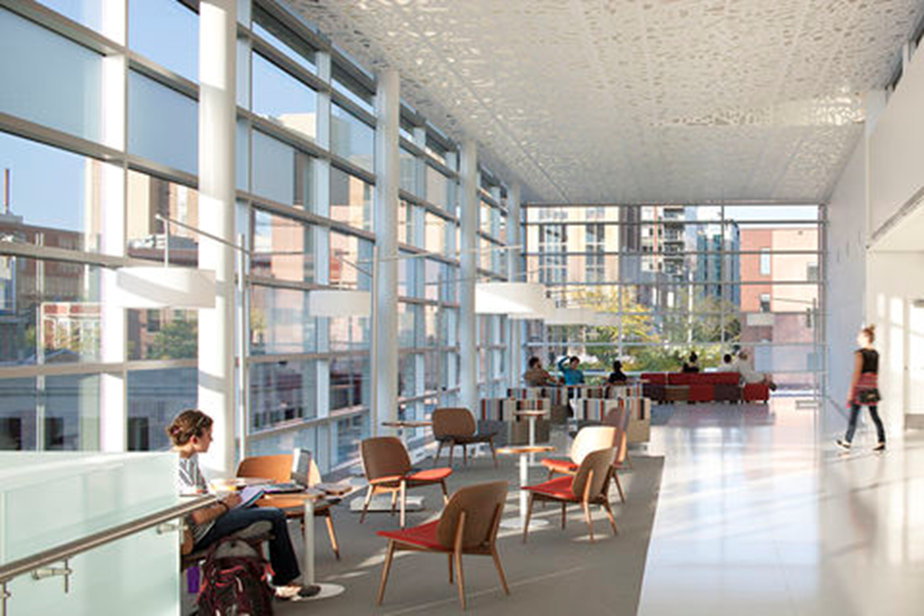
Good lighting design is not about brightness alone; it is about balance, rhythm, and comfort
To understand this concept better, we can look into the ‘minimalism trend’
Minimalism has emerged not just as a design style, but as a response to modern life. In an age of constant notifications, information overload, and screen fatigue, clutter-free environments help reduce cognitive stress.
Minimalism does not mean empty or sterile spaces. Instead, it emphasizes:
To understand this concept better, we can look into the ‘minimalism trend’
Minimalism has emerged not just as a design style, but as a response to modern life. In an age of constant notifications, information overload, and screen fatigue, clutter-free environments help reduce cognitive stress.
Minimalism does not mean empty or sterile spaces. Instead, it emphasizes:
- Intentional design choices
- Fewer but meaningful elements
- Controlled color palettes
- Reduced visual distractions
Well-designed study rooms, home offices, and libraries often adopt minimalist principles to support focus and clarity. Ergonomic furniture, clean layouts, and thoughtfully designed storage allow the mind to rest and concentrate.
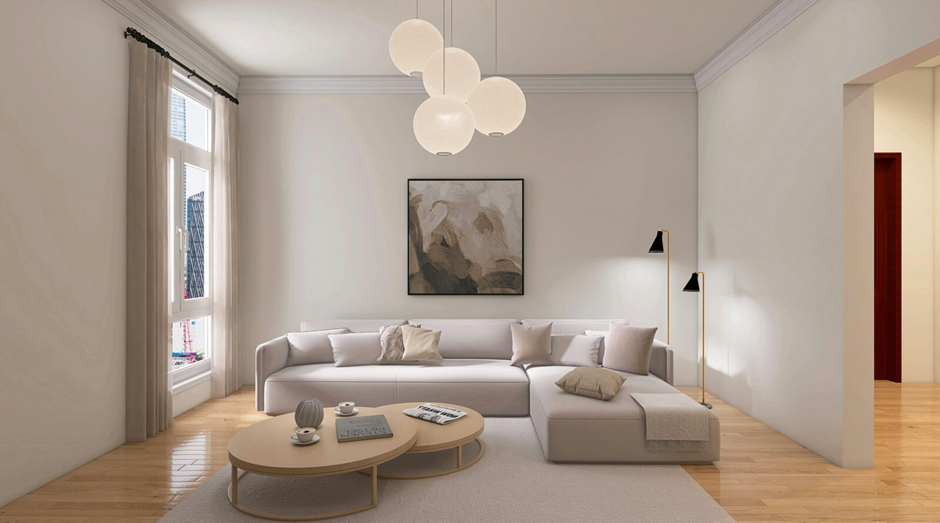
In this sense, minimalism becomes an act of care, for the user’s mental health.
Designing with Empathy: A Human-Centered Approach
As young architects and interior designers, empathy becomes one of the most important design tools. Every project, regardless of scale, must begin with understanding the user.
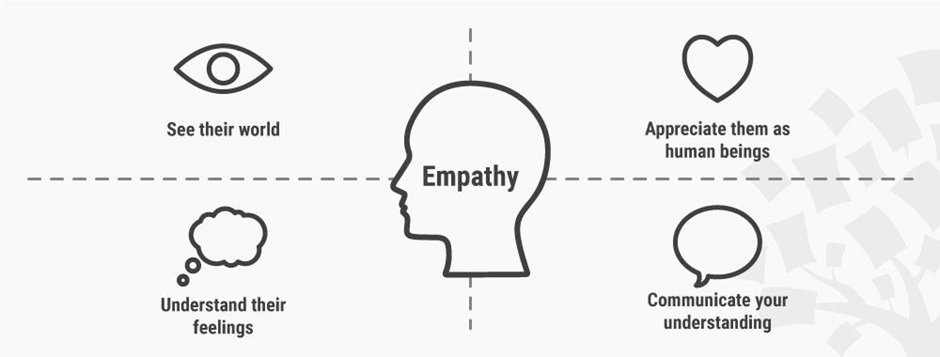
Key questions to ask include:
- How will the user feel in this space after a long, exhausting day?
- Does the interior energize, calm, or mentally exhaust them?
- Can the space adapt to changing lifestyles, routines, and needs?
A child’s room, a student’s study area, a professional’s home office, or a shared living space all demand different emotional responses. Designing for wellbeing means acknowledging that users are not static, their needs evolve over time.
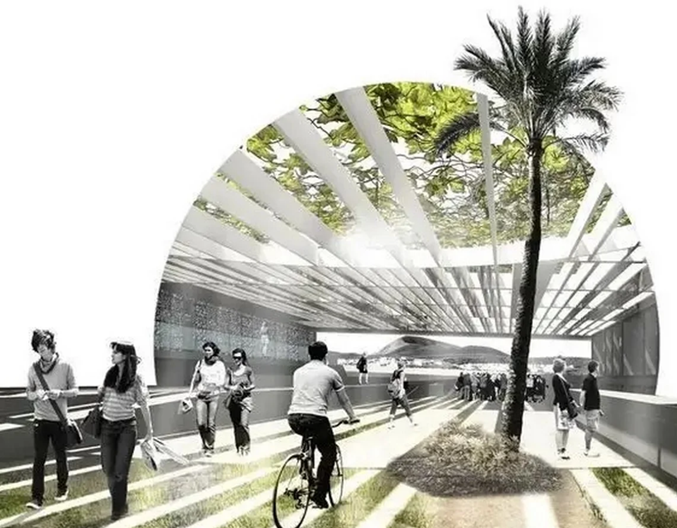
Therefore as a young architect, it is always important to be empathetic towards your user.
Design is no longer just about trends or aesthetics, it’s about human-centered thinking.
The challenge is not to design spaces that merely look good, but spaces that feel right.