Roof Insulation Fundamentals: The Key to Energy-Efficient Buildings
In the pursuit of sustainable architecture, architects often focus on glazing systems, façade treatments, and advanced building technologies. Yet, one of the most critical components influencing a building’s thermal performance lies overhead- the roof. As the primary surface exposed to solar radiation, the roof plays a significant role in determining indoor comfort, energy consumption, and overall building efficiency.
Effective roof insulation is not merely a technical addition to a building assembly; it is a fundamental design strategy that contributes to reduced energy demand, improved occupant comfort, and long-term sustainability.
A poorly insulated roof can become a major source of heat gain during summer and heat loss during winter. In regions with hot climates, such as much of India, roofs absorb substantial amounts of solar radiation throughout the day. This heat is transferred into interior spaces, increasing the reliance on air-conditioning systems and driving up energy consumption.
Proper insulation acts as a thermal barrier, slowing the transfer of heat between the exterior and interior environments. By minimizing unwanted heat flow, roof insulation helps maintain stable indoor temperatures and reduces the workload on mechanical cooling and heating systems.
Understanding Heat Transfer in Roofs
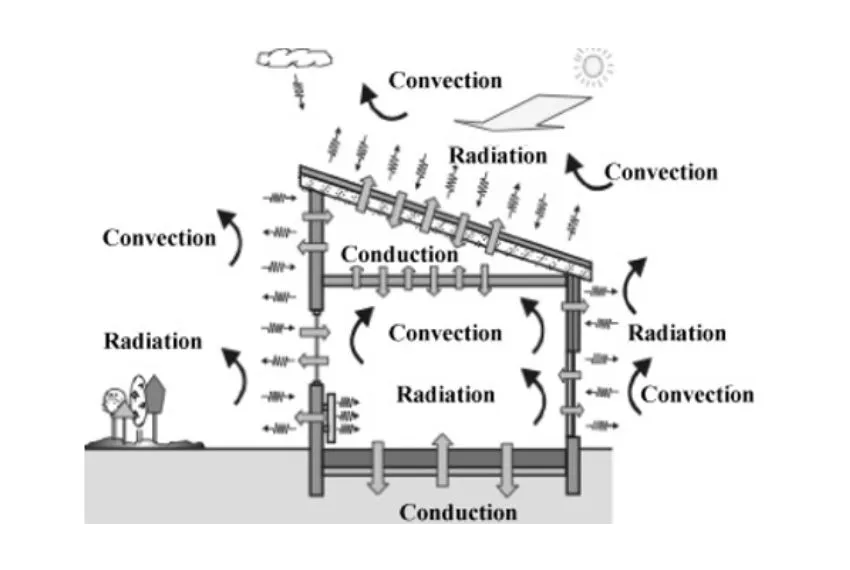
To appreciate the importance of insulation, it is essential to understand how heat moves through a building. Heat transfer occurs through three primary mechanisms:
- Conduction: Heat travels through solid materials such as concrete slabs, metal roofing sheets, and structural elements.
- Convection: Heat is transferred through the movement of air within roof cavities and indoor spaces.
- Radiation: Solar energy is absorbed by the roof surface and radiated into the building below.
An effective insulation system is designed to mitigate these forms of heat transfer, thereby improving the building’s overall thermal performance.
Key Benefits of Roof Insulation
- Reduced energy consumption and utility costs
- Enhanced thermal comfort for occupants
- Lower carbon footprint and environmental impact
- Increased lifespan of HVAC systems
- Improved indoor environmental quality
- Better compliance with green building standards and energy codes
Traditional Indian Roof Insulation Techniques That Still Work Today
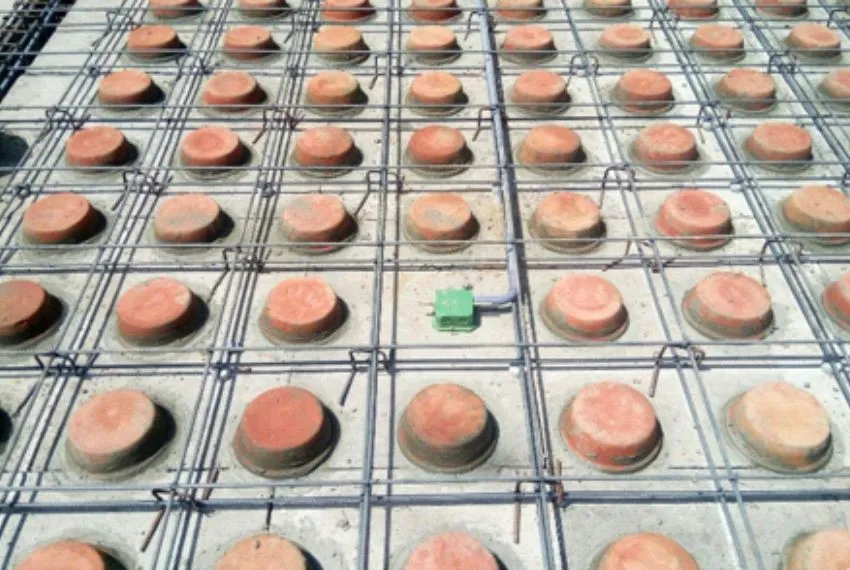
Earthen Pots (Matka Filler Slabs)
A traditional method used across India involves embedding inverted earthen pots or terracotta fillers within concrete roof slabs. These pots create air pockets that reduce heat transfer through the roof.
Benefits:
- Excellent thermal insulation
- Reduces the quantity of concrete required
- Lowers structural load
- Uses locally available materials
- Cost-effective and sustainable
Today, many architects are reviving filler slab construction as an environmentally conscious alternative to conventional RCC roofs.
Mud Phuska Roofing
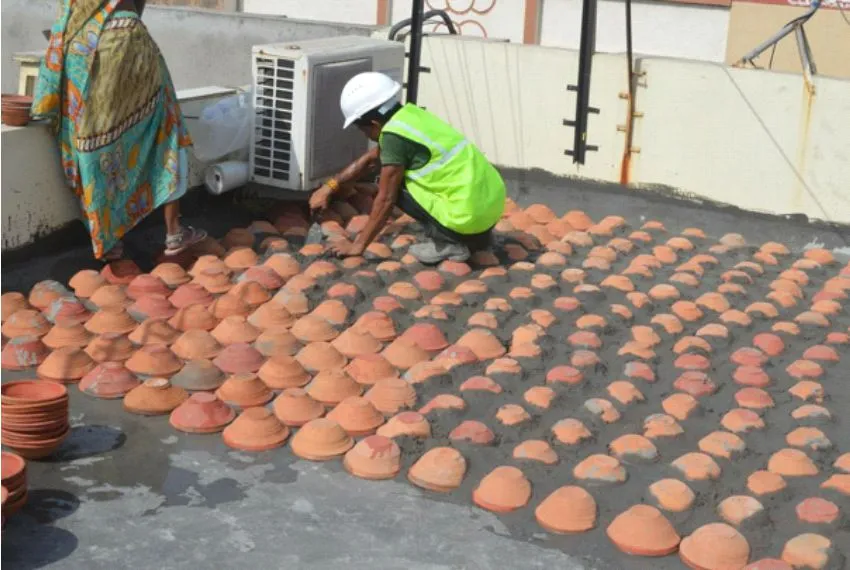
Commonly found in North India, Mud Phuska consists of a thick layer of compacted earth mixed with straw laid over the roof.
The soil layer acts as a thermal mass, slowing heat penetration during the day and maintaining cooler interiors.
Why it worked:
- Locally sourced materials
- Naturally insulating
- Suitable for hot and dry climates
Modern versions often combine mud layers with waterproofing membranes.
China Mosaic or White Reflective Terrace Finish
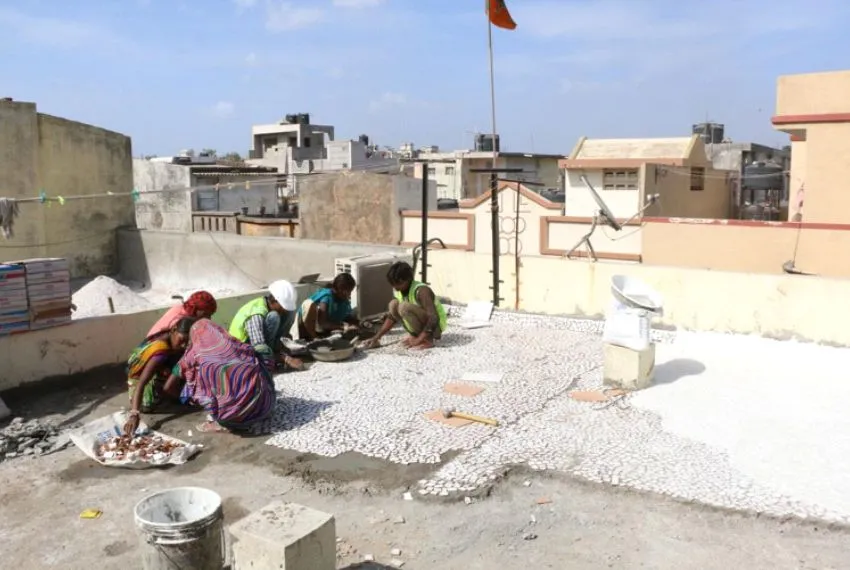
A common feature in many Indian homes, particularly in Gujarat and South India, China Mosaic consists of broken white ceramic tiles embedded on terraces.
The reflective surface:
- Reduces solar heat absorption
- Lowers roof temperatures significantly
- Improves indoor thermal comfort
It remains one of the simplest passive cooling solutions available.
Terracotta Tile Roofing
Traditional terracotta roof tiles naturally provide thermal insulation due to their low conductivity and air gaps. Cities such as Mangalore became famous for clay roof tiles that perform exceptionally well in hot and humid climates.
Advantages include:
- Natural ventilation
- Reduced heat gain
- Long lifespan
- Sustainable material source
Green Roofs Inspired by Vernacular Practices
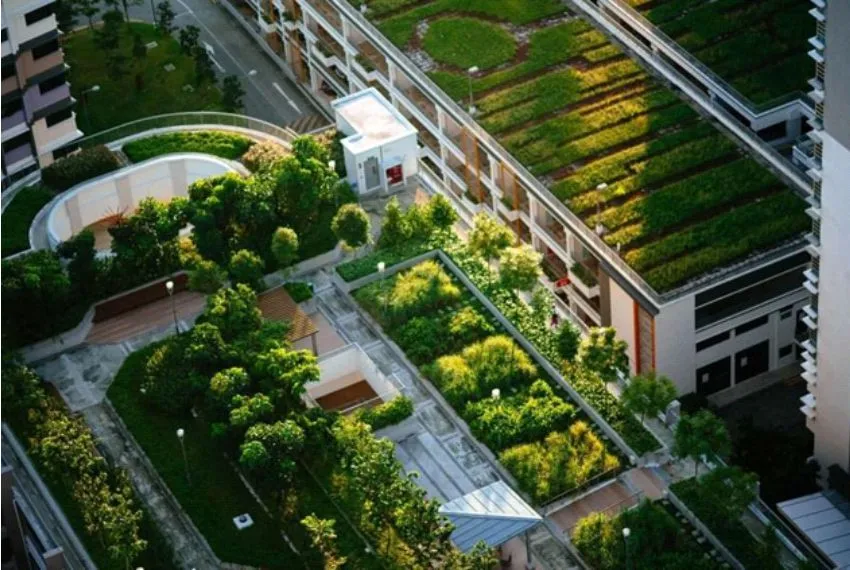
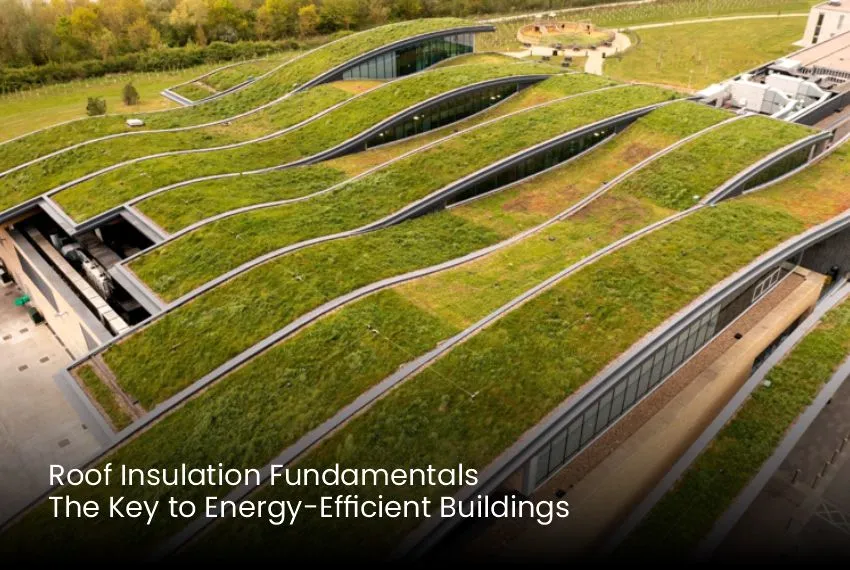
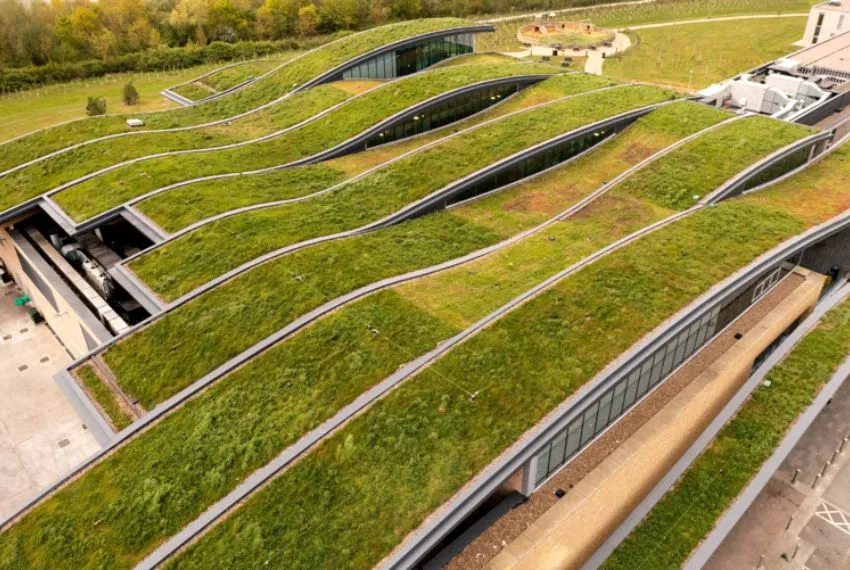
Modern green roofs are essentially a contemporary interpretation of traditional earth-covered roofs.
Vegetation:
- Shades the roof surface
- Cools through evapotranspiration
- Reduces urban heat island effects
In cities like Delhi and Bengaluru, green roofs are increasingly being explored to combat rising temperatures.
Roof Insulation and Sustainable Architecture
As buildings account for a significant share of global energy consumption, improving thermal efficiency has become a priority for architects and developers alike. Roof insulation directly supports sustainability goals by lowering operational energy demand and reducing greenhouse gas emissions.
Many green building certification systems, including Indian Green Building Council and Leadership in Energy and Environmental Design, place considerable emphasis on building envelope performance, with roof insulation serving as a key contributor to certification credits.
The Future of Roof Insulation
Advancements in material science are leading to innovative insulation technologies, including aerogel-based products, phase-change materials, and smart roofing systems capable of adapting to changing environmental conditions.
As energy efficiency standards become increasingly stringent, roof insulation will continue to evolve from a basic construction requirement into a sophisticated component of high-performance building design.
Conclusion
The roof is often described as a building’s first line of defense against environmental conditions. While aesthetic considerations are important, the thermal performance of the roof has a far greater impact on occupant comfort and energy consumption over the life of a building
For architects, understanding roof insulation fundamentals is essential to creating buildings that are comfortable, sustainable, and resilient. Whether designing a residence, commercial complex, or institutional facility, investing in effective roof insulation is one of the most impactful steps toward achieving true energy efficiency.