
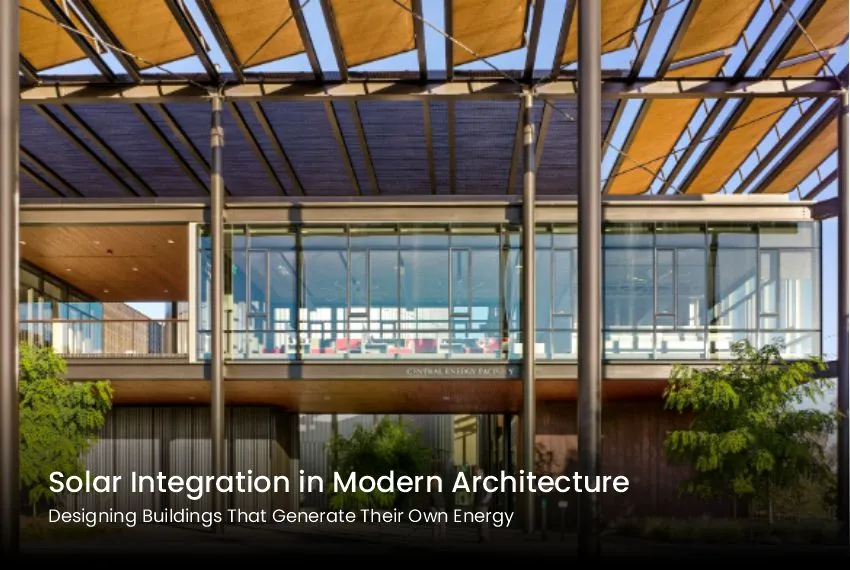
Solar Integration in Modern Architecture: Designing Buildings That Generate Their Own Energy
As the world moves towards sustainable development, architecture is no longer just about creating visually appealing buildings – it’s about designing spaces that actively contribute to a greener future. One of the most transformative advancements in sustainable design is solar integration, where buildings are designed to harness solar energy seamlessly without compromising aesthetics or functionality.
Modern architecture is increasingly embracing solar technology as an integral part of the design process rather than treating it as an afterthought. From residential homes to commercial skyscrapers, solar-integrated buildings are redefining the relationship between architecture and renewable energy.
Why Solar Integration Matters
Buildings account for nearly 40% of global energy consumption, making them one of the largest contributors to greenhouse gas emissions. Integrating solar energy into architectural design helps reduce dependence on conventional electricity while significantly lowering a building’s carbon footprint.
Beyond environmental benefits, solar-powered buildings offer:
- Lower electricity bills
- Greater energy independence
- Increased property value
- Reduced operational costs
- Compliance with green building certifications like LEED, GRIHA, and IGBC
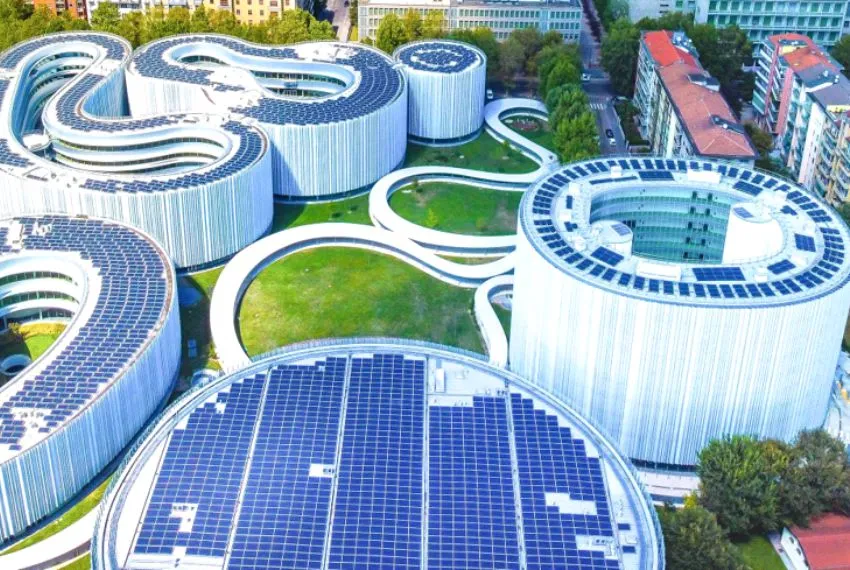
What is Solar Integration?
Solar integration refers to incorporating solar energy systems into a building’s architectural design in a way that complements its form, function, and aesthetics.
Unlike traditional rooftop solar panels that are simply mounted after construction, integrated systems become a part of the building envelope itself.
Common examples include:
- Solar roofs
- Solar facades
- Building-Integrated Photovoltaics (BIPV)
- Solar shading devices
- Solar canopies and pergolas
- Transparent photovoltaic glass
The objective is to generate clean energy while maintaining architectural excellence.
How to achieve Solar Integration
1. Building-Integrated Photovoltaics (BIPV): The Future of Facades
One of the most exciting developments in solar architecture is Building-Integrated Photovoltaics (BIPV).
Instead of attaching solar panels onto buildings, photovoltaic materials replace conventional construction materials such as:
- Curtain walls
- Roof tiles
- Skylights
- Glass facades
- External cladding
These elements perform dual functions:
- Protect the building envelope
- Generate renewable electricity
This creates buildings that are both visually striking and energy efficient.
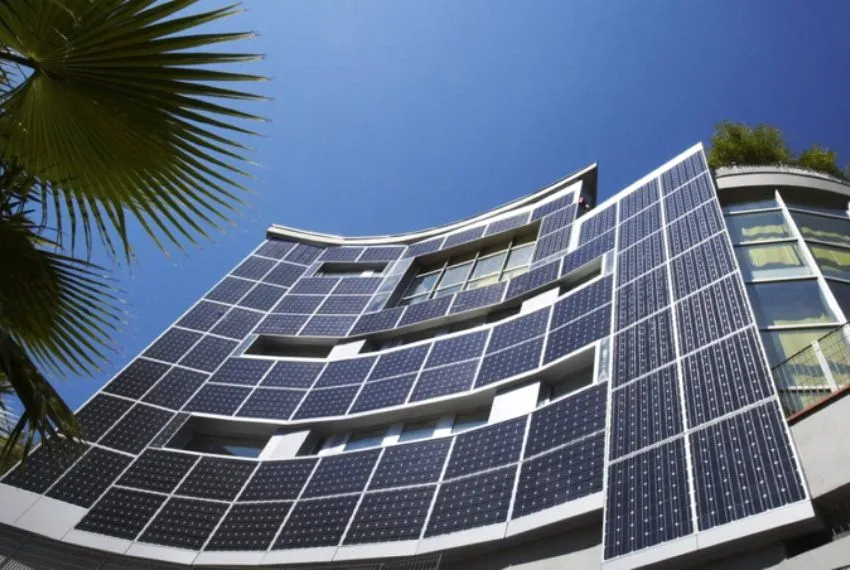
2. Solar Roofs: More Than Just Panels
Modern solar roofs have evolved far beyond bulky blue panels. Today’s architects can choose Solar Roof Tiles. These resemble conventional roofing materials while producing electricity.
Ideal for:
- Luxury residences
- Heritage-sensitive developments
- Premium villas
Another option is standing seam metal roofs – Solar panels can be clipped directly onto metal roofs without roof penetrations, reducing maintenance.
Or Integrated Flat Roof Systems – Perfect for commercial buildings, offices, hospitals, and educational institutions where roof space is maximized for energy generation.
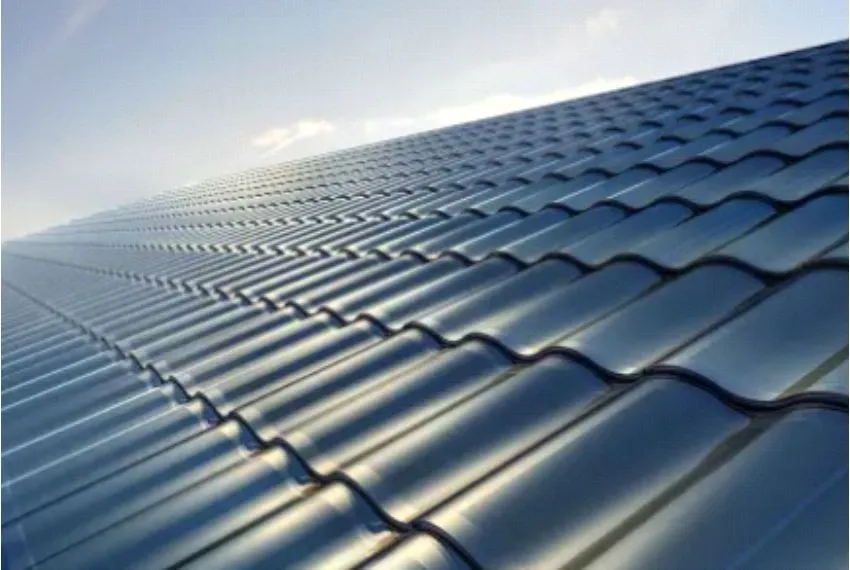
3. Solar Facades: Vertical Energy Generation
With increasing urban density, roof space alone is often insufficient. Solar facades transform vertical surfaces into power-generating elements. Benefits include:
- Electricity generation
- Reduced heat gain
- Improved building insulation
- Enhanced façade aesthetics
- Reduced cooling loads
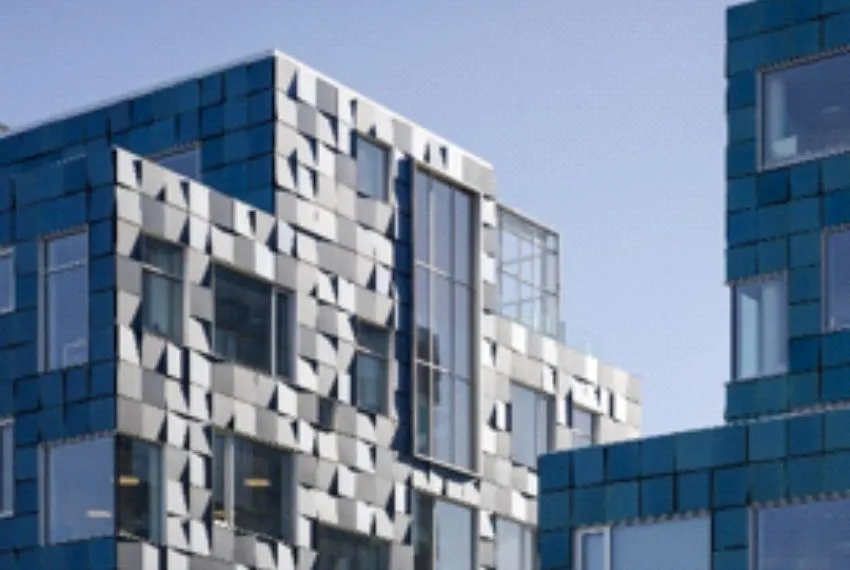
Architects are increasingly using photovoltaic glass and patterned solar panels to create visually dynamic elevations.
Challenges in Solar Integration
Despite its advantages, architects must address several challenges:
- Higher initial installation costs
- Structural considerations
- Maintenance accessibility
- Integration with architectural aesthetics
- Variable weather conditions
- Battery storage costs
However, falling solar panel prices and improving technology continue to make solar integration increasingly cost-effective.
Conclusion
Solar integration is transforming the way architects think about building design. Instead of viewing renewable energy systems as add-ons, modern architecture is embracing them as fundamental design elements that enhance performance, aesthetics, and sustainability.
Whether through photovoltaic facades, solar roofs, energy-generating windows, or integrated shading systems, the buildings of tomorrow are becoming smarter, cleaner, and more self-sufficient. As technology advances and renewable energy becomes increasingly accessible, solar integration will play a pivotal role in shaping resilient, future-ready cities.
For architects, developers, and homeowners alike, designing with the sun is no longer just an environmental choice – it is a strategic investment in efficiency, innovation, and long-term value.
Add a comment