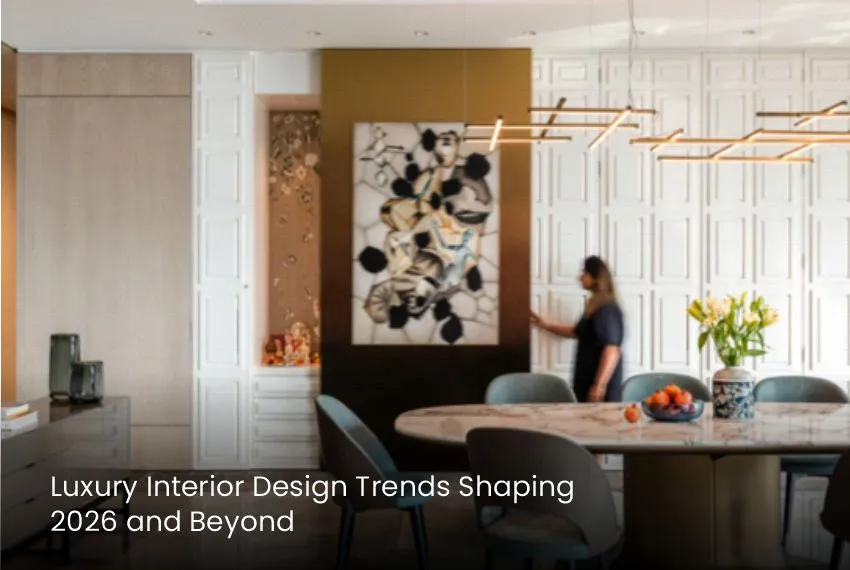
Luxury Interior Design Trends Shaping 2026 and Beyond
How the next era of luxury is being defined by longevity, craftsmanship, sustainability, and intelligent living.
Luxury interior design is undergoing a profound transformation. The era of defining luxury solely through expensive materials and lavish ornamentation is giving way to spaces that prioritize authenticity, emotional well-being, personalization, and timeless craftsmanship. In 2026 and beyond, the world’s most sophisticated interiors are no longer designed merely to impress they are created to enhance everyday living while reflecting the individuality of their owners.
As architects and designers respond to changing lifestyles, climate consciousness, and technological advancements, luxury interiors are becoming more thoughtful, tactile, and deeply connected to nature. Here are the defining trends shaping the future of high-end residential design.
Quiet Luxury: The New Design Language
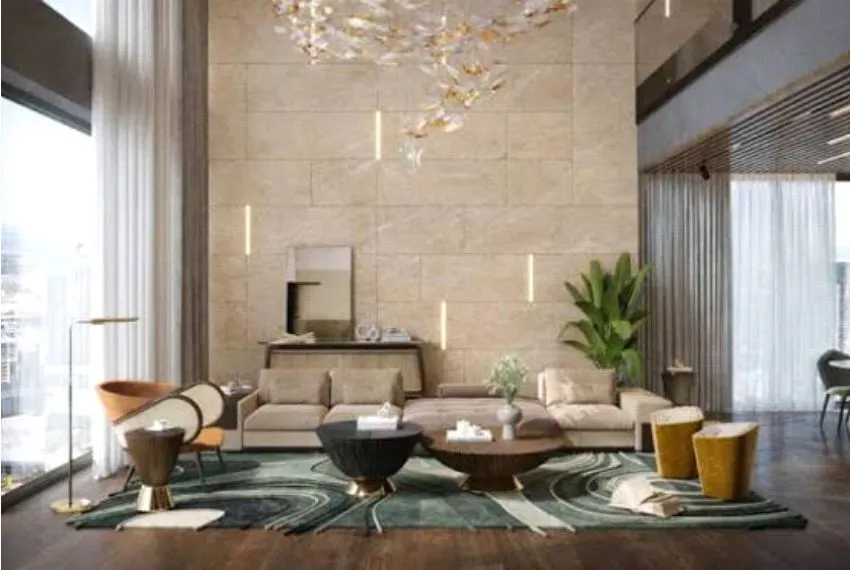
The concept of “quiet luxury” continues to dominate premium residential interiors. Instead of bold displays of wealth, homeowners are investing in understated elegance through impeccable detailing, superior craftsmanship, and timeless proportions.
This philosophy favours clean architectural lines, natural materials, muted colour palettes, and carefully curated furnishings. The emphasis shifts from decorative excess to precision, where every joint, edge, and material transition is thoughtfully executed.
Luxury is increasingly measured by quality rather than quantity.
Warm Minimalism Replaces Cold Minimalism
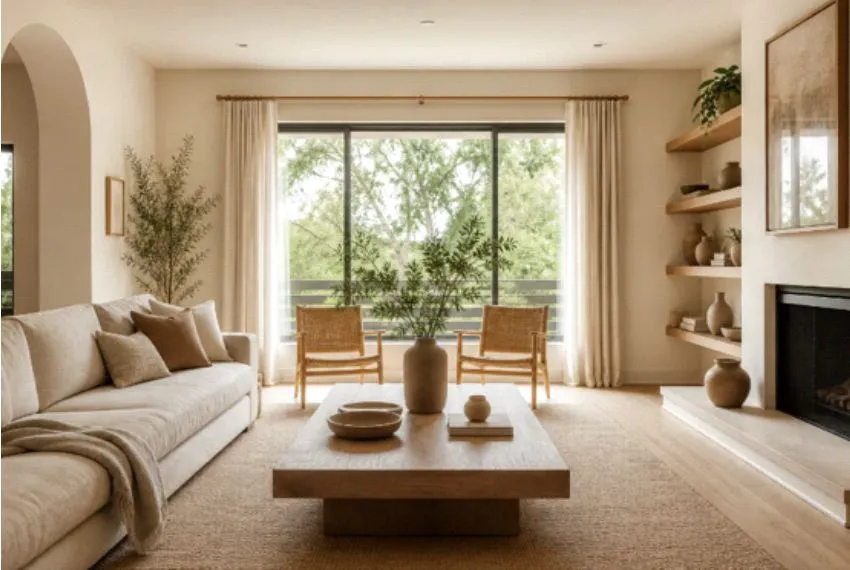
Minimalism has evolved considerably over the past decade. Sterile white interiors and highly polished finishes are being replaced by spaces that feel warm, inviting, and deeply human.
The contemporary minimalist home embraces:
- Soft neutral palettes
- Natural oak and walnut finishes
- Lime plaster and textured walls
- Handmade ceramics
- Layered textiles
- Organic silhouettes
The objective is simplicity without sacrificing comfort or personality.
Nature Becomes the Primary Design Element
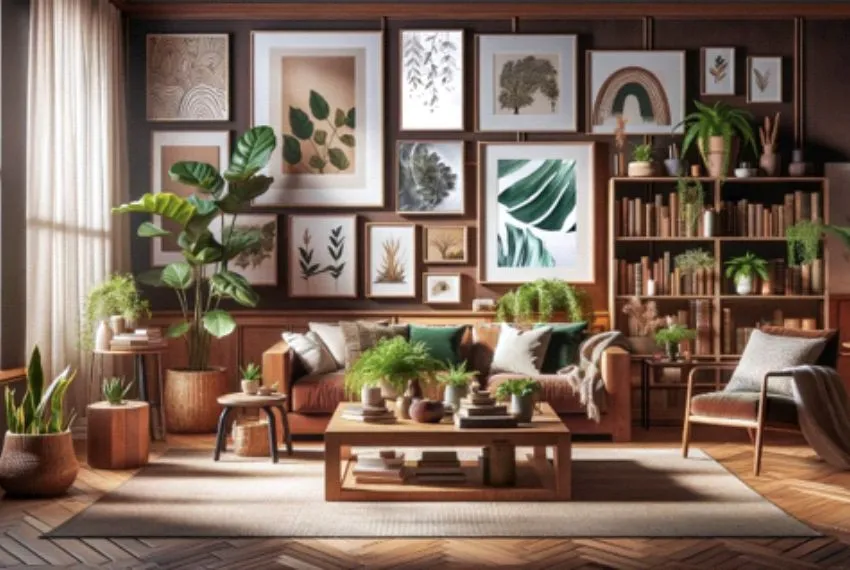
Biophilic design has matured beyond adding indoor plants. In luxury residences, architecture itself is becoming an extension of the landscape.
Designers are increasingly incorporating:
- Internal courtyards
- Double-height green walls
- Mature indoor trees
- Natural stone flooring extending outdoors
- Water features integrated into living spaces
- Floor-to-ceiling glazing that frames landscape views
Materials are selected to weather gracefully, allowing homes to age naturally alongside their environment.
Rich Material Palettes with Honest Expression
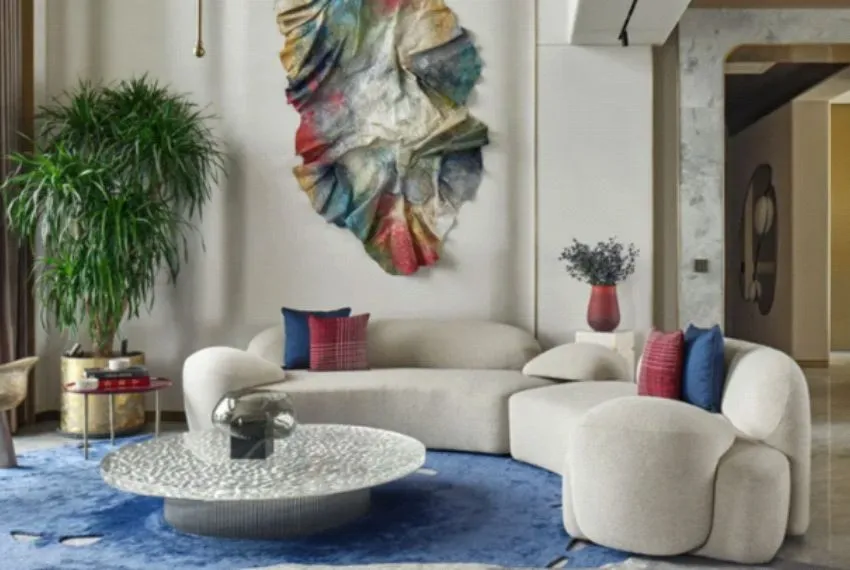
Rather than mixing numerous luxurious finishes, designers are allowing fewer materials to express themselves honestly.
Popular material combinations include:
- Travertine paired with smoked oak
- Honed marble instead of polished marble
- Hand-finished bronze detailing
- Leather-wrapped cabinetry
- Fluted timber panels
- Textured limestone walls
Imperfections are celebrated rather than concealed, reflecting an appreciation for craftsmanship and authenticity.
Wellness-Centered Interior Architecture
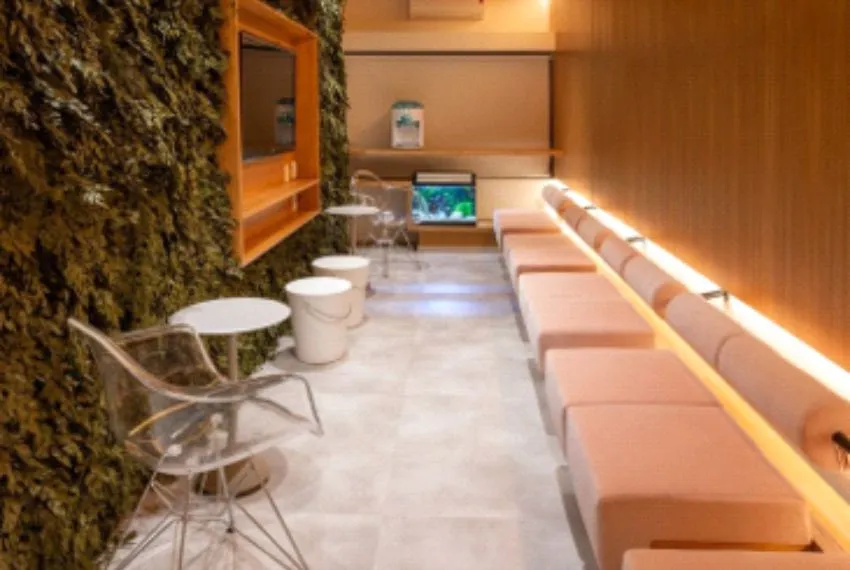
Luxury today increasingly means investing in physical and mental well-being. High-end residences now commonly feature:
- Home spas
- Meditation rooms
- Infrared saunas
- Cold plunge pools
- Yoga studios
- Circadian lighting systems
- Acoustic optimization
- Dedicated wellness gardens
Wellness is no longer an amenity- it has become a central planning principle influencing spatial organization from the earliest design stages.
Personalization Becomes the Ultimate Luxury
Perhaps the most significant shift is that luxury is becoming deeply personal.
Rather than following predefined styles, homeowners seek interiors that reflect their own stories, collections, travels, and lifestyles.
This includes:
- Commissioned artworks
- Curated libraries
- Custom wine rooms
- Bespoke joinery
- Family heirloom integration
- Personalized material palettes
- Spaces designed around individual rituals and routines
No two luxury homes are expected to look alike. Authenticity has become more valuable than conformity. Wellness is no longer an amenity- it has become a central planning principle influencing spatial organization from the earliest design stages.
Way ahead
The future of luxury interior design is not characterized by extravagance, but by intention. Homes are becoming calmer, more tactile, technologically intelligent, environmentally responsible, and deeply personalized.
Architects and designers are moving beyond aesthetics to create spaces that improve well-being, foster meaningful connections, and endure across generations. As 2026 and the years beyond unfold, luxury will be defined less by what is visible and more by what is thoughtfully experienced.
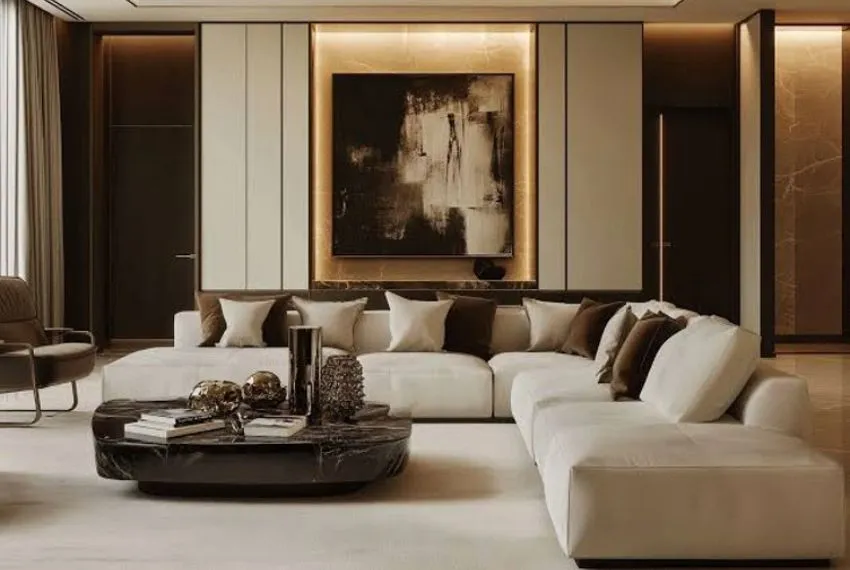
In this new era, the finest interiors are those that balance craftsmanship with innovation, simplicity with richness, and timeless architecture with the evolving needs of contemporary life. Ultimately, true luxury lies not in excess, but in creating spaces that feel effortlessly beautiful, profoundly functional, and uniquely human.
Add a comment