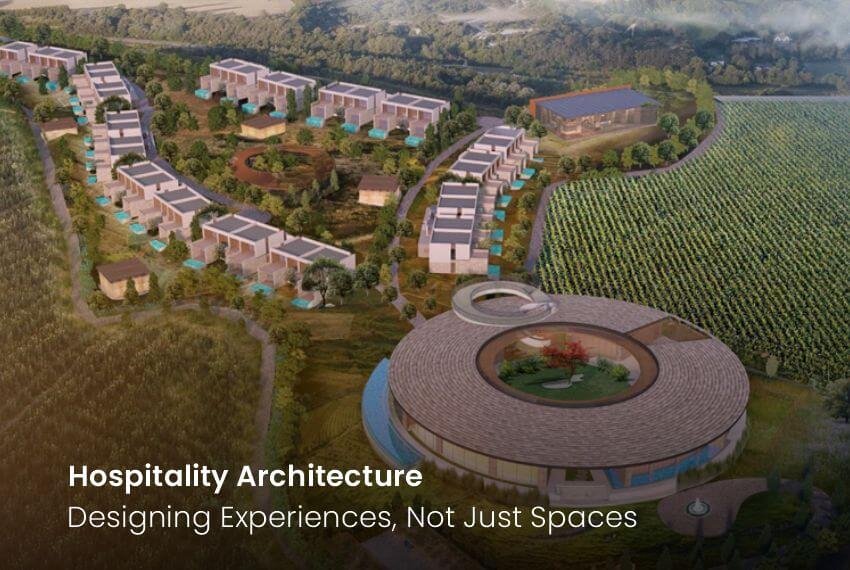
Hospitality Architecture: Designing Experiences, Not Just Spaces
In the world of architecture, hospitality design holds a unique position. It goes far beyond aesthetics and functionality.
Hotels, resorts, restaurants, cafés, and clubs are not merely buildings, they are spaces that curates experiences. Every spatial decision, material choice, and lighting strategy directly influences how a guest feels, behaves, and remembers a place. Hospitality architecture is, at its core, the art of storytelling through space.
Architecture as the First Host
Before a staff member greets a guest, it is the architecture that does it. The approach, the entry sequence, the transition from outside to inside, these are the moments that set the tone. A well-designed hospitality space intuitively guides guests, making them feel welcomed, comfortable, and well, curious!
From a grand hotel lobby that evokes awe to an intimate café that feels like a warm embrace, hospitality architecture plays the role of the silent host. It anticipates needs, controls movement, and creates moments of pause, excitement, and relaxation
What makes a hospitality project truly successful is not just how it looks, but how it is remembered. Guests may forget floor plans, but they never forget how a space made them feel.
Well, there are certain ‘Emotional drivers’ driving a hospitality design:
- Comfort: Ergonomics, acoustics, and climate control that make guests want to linger.
- Identity: A strong concept that reflects the brand story and local context.
- Surprise: Unexpected details-textures, views, lighting elements-that create delight.
- Belonging: Spaces that feel inclusive and human-scaled, even when they are luxurious.
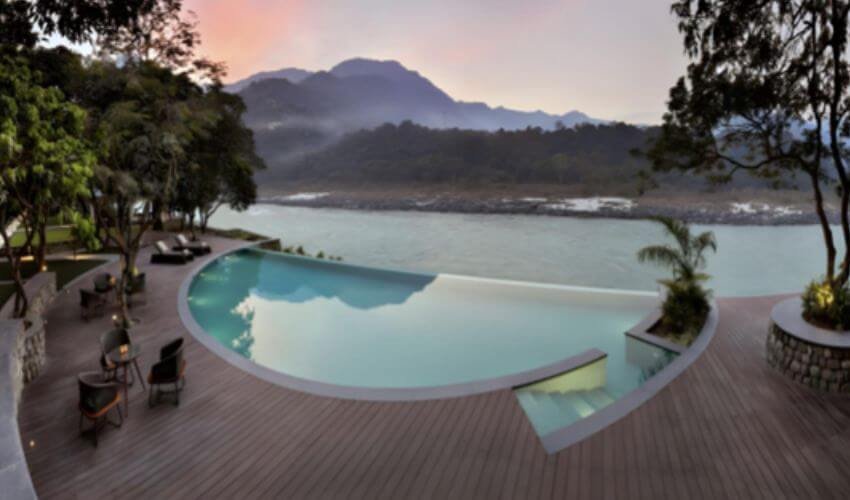
When architecture successfully taps into emotion, it transforms a visit into a memory.
The Role of Context and Culture
Hospitality architecture, like any other architecture, thrives when it responds to its surroundings. Climate, culture, craftsmanship, and local narratives all play a crucial role in shaping meaningful spaces.
A resort in the hills may use sloping roofs, natural stone, and framed views of the landscape, while an urban luxury restaurant might rely on bold materials, controlled lighting, and dramatic spatial layering. Context-driven design not only enhances authenticity but also makes a project timeless rather than trend-dependent.
Saying this, Modern hospitality design is increasingly defined by sustainability. Today’s guests value experiences that are responsible, conscious, and connected to nature.
- Passive design strategies,
- Locally sourced materials,
- Adaptive reuse,
- And energy-efficient systems are no longer optional – they are integral to contemporary hospitality architecture. Sustainability, when thoughtfully integrated, enhances comfort while reinforcing brand values.
Functionality Meets Flow
Behind the scenes of every seamless guest experience lies rigorous planning. Hospitality projects demand a delicate balance between front-of-house glamour and back-of-house efficiency.
For young Architects, interested in this domain must realise the importance of careful planning:
- Clear circulation for guests and staff
- Service zones that remain invisible yet accessible
- Kitchens, storage, and utilities that support peak-hour operations
- Safety, accessibility, and maintenance without compromising design intent
A beautiful space that fails operationally can never succeed in hospitality. Hospitality architecture is a perfect example to understand that how to separate front of house sophistication with back of house chaos!
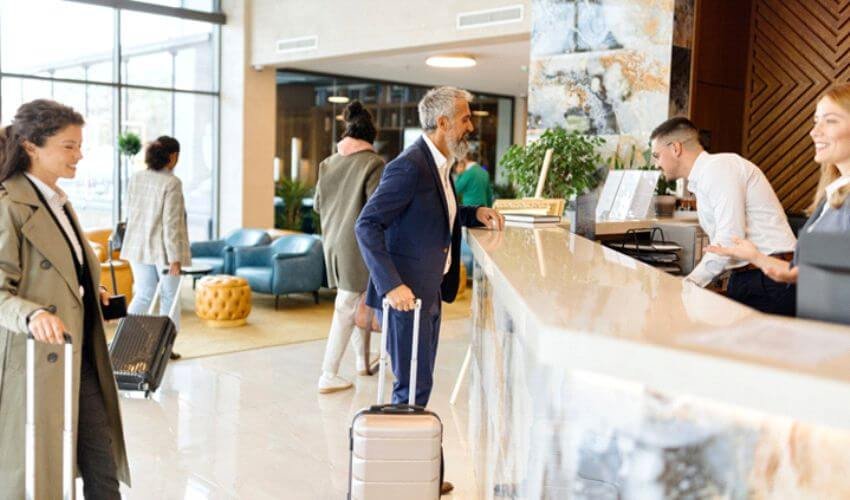
Good hospitality architecture makes complexity look effortless.
As lifestyles evolve, hospitality spaces are becoming more hybrid and flexible. Hotels double as co-working hubs, cafés turn into social anchors, and restaurants become immersive brand experiences.
The future lies in:
- Experience-led design rather than purely visual appeal
- Flexible spaces that adapt to changing user needs
- Strong storytelling through architecture and interiors
- Deeper collaboration between architects, operators, and brand strategists
A Call to the Next Generation
Hospitality architecture is where design meets emotion, function meets fantasy, and space meets storytelling.
It challenges young architects to think beyond form and to design moments, journeys, and memories.
In a competitive hospitality landscape, architecture becomes a powerful differentiator, one that can turn a first-time visitor into a lifelong guest. And that is the true success of hospitality design!